



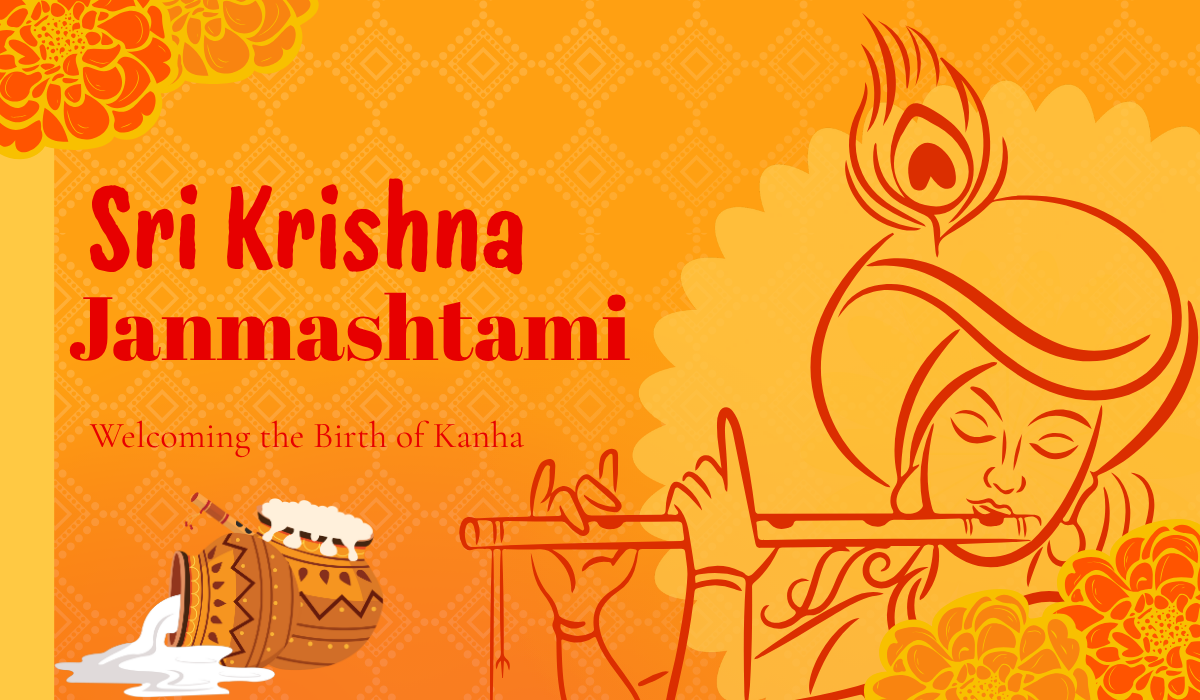
Understanding the spiritual and cultural significance of Lord Krishna’s birth
The Birth of Lord Krishna – A Divine Incarnation
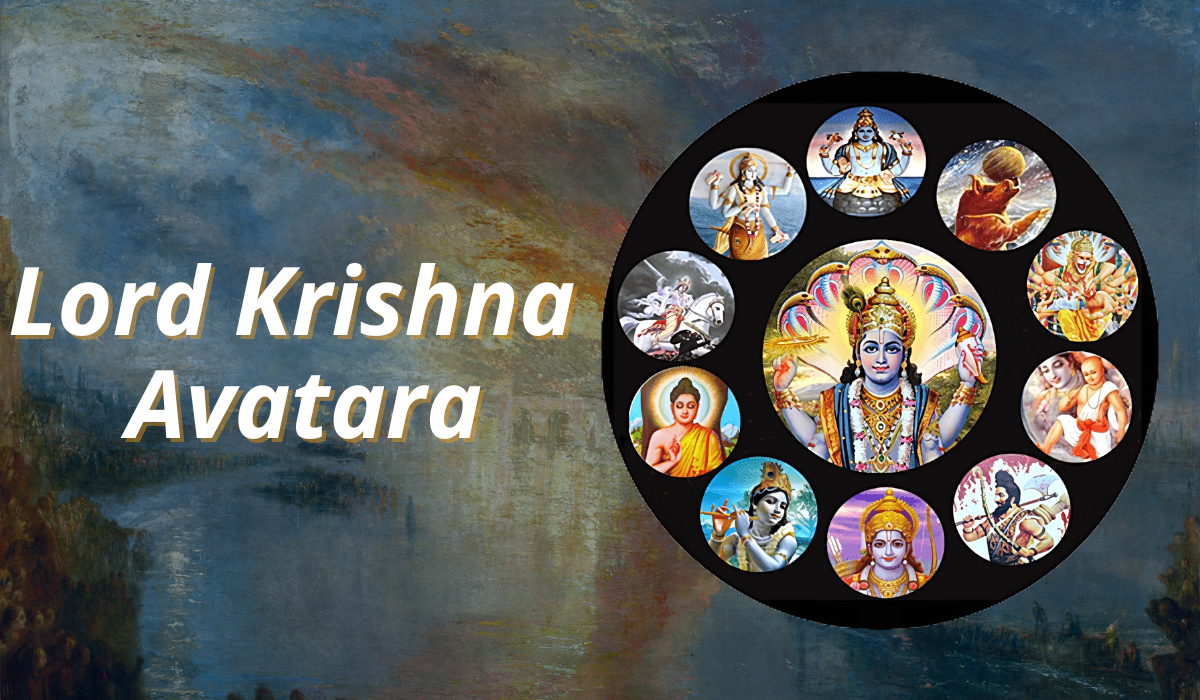
Sri Krishna Janmashtami marks the birth of Lord Krishna, the eighth avatar of Lord Vishnu, who appeared on Earth over 5,000 years ago in Mathura. According to Hindu mythology, He was born at midnight on the eighth day (Ashtami) of the Krishna Paksha in the month of Bhadrapada. His birth was not ordinary—it was a divine intervention to protect dharma (righteousness) and defeat evil forces, especially the tyrant King Kansa. The celebration of this festival reminds devotees of Krishna’s divine mission and the eternal victory of good over evil.
The Spiritual Meaning of Sri Krishna Janmashtami
Beyond the historical tale, Sri Krishna Janmashtami holds deep spiritual meaning. Lord Krishna symbolizes love, compassion, and wisdom. His teachings in the Bhagavad Gita guide humanity toward selfless action, devotion, and inner peace. By observing fasts, chanting Krishna’s name, and reading scriptures, devotees aim to purify their minds and souls. The midnight birth celebrations signify the light of divine wisdom removing the darkness of ignorance in our lives.
Cultural Traditions and Festivities
Sri Krishna Janmashtami is celebrated with great enthusiasm across India and in many parts of the world. Temples are decorated with flowers and lights, devotional songs (bhajans) fill the air, and dramatic enactments of Krishna’s life (Raslila) are performed. One of the most exciting traditions is Dahi Handi, inspired by young Krishna’s love for butter and curd. Groups of people form human pyramids to break a pot filled with curd hung high above the ground—symbolizing unity, teamwork, and joy.
Fasting and Devotion – Connecting with the Divine
On Sri Krishna Janmashtami, many devotees observe a fast until midnight, the believed hour of Krishna’s birth. The fast is often broken with prasad made of fruits, milk, and sweets like makhan-mishri. Chanting “Hare Krishna” and reading the Bhagavad Gita are common devotional practices. Fasting is seen not just as a ritual, but as a way to discipline the body and focus the mind on spiritual thoughts, allowing a deeper connection with Lord Krishna.
Global Significance of Sri Krishna Janmashtami
While deeply rooted in Indian tradition, Sri Krishna Janmashtami has transcended borders. ISKCON (International Society for Krishna Consciousness) and other organizations celebrate this festival worldwide with grandeur. In cities like London, New York, and Sydney, thousands of devotees gather for kirtans, processions, and cultural programs. The festival’s universal message—love, peace, and the triumph of good over evil—resonates with people of all backgrounds.
Conclusion:
Sri Krishna Janmashtami is more than just a religious festival—it’s a celebration of divine love, moral values, and spiritual awakening. By remembering Lord Krishna’s life and teachings, devotees find inspiration to lead a righteous and joyful life. Whether through fasting, singing bhajans, or participating in Dahi Handi, the essence of this festival is to fill our hearts with devotion and positivity.